Starting From the Dark

The subtitle of the Lenten section in Jan Richardson’s book, In Wisdom’s Path, was “Art From the Dark.” Author and artist Jan describes the process of monotype printing that she tried for the first time alongside her written reflections.  The process seemed simple: black etching ink wiped from a plate with a brush, cloth and palette knife to “find” an image. The transformative nature of going from ink plate to paper, though, was full of surprises and frustrations. In sharp contrast to the “piecing together and building up” of her primary medium of collage, monotype prints require erasure and wiping away.  She had to learn to start from the dark.
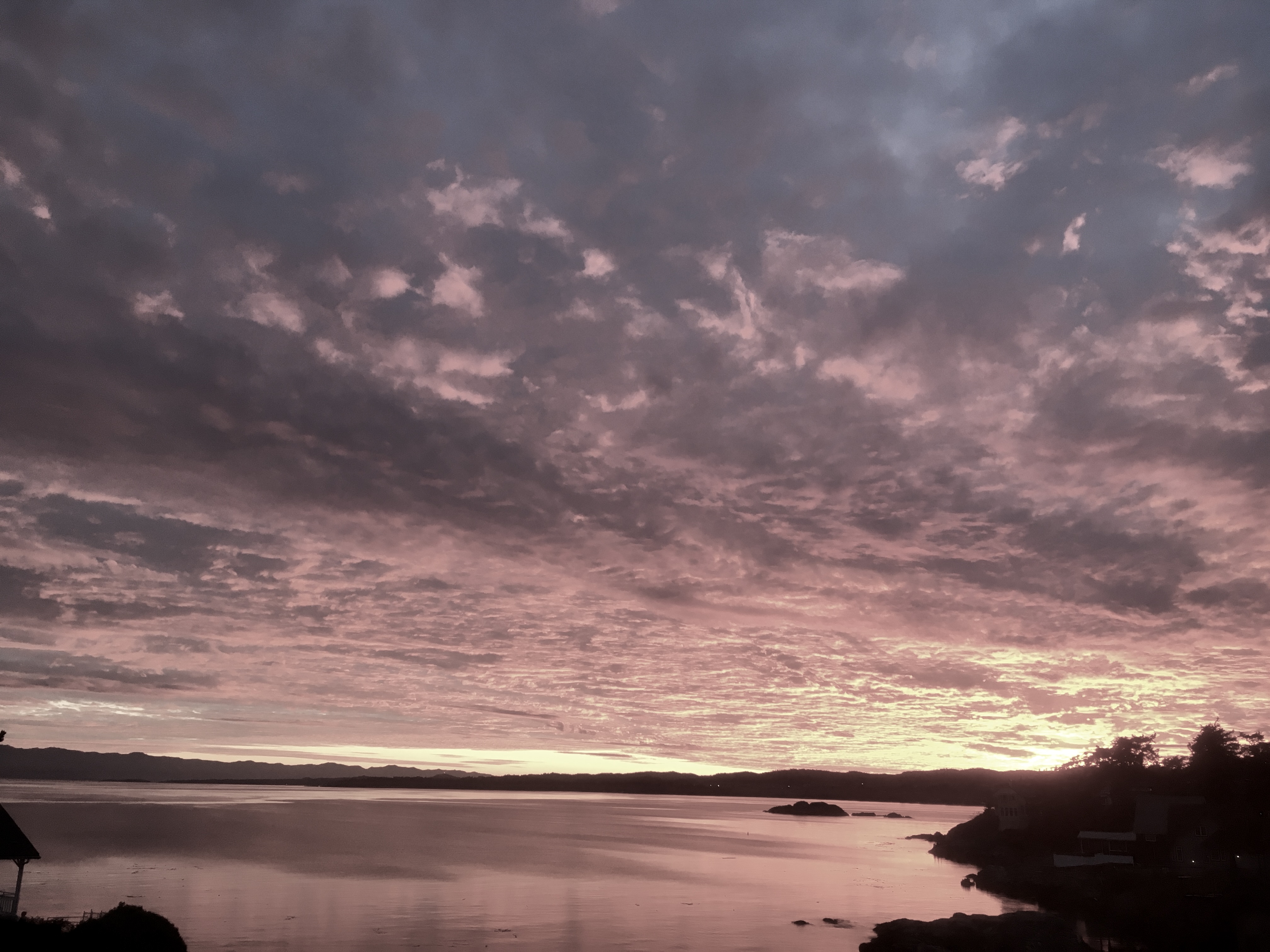
photo by Mitch Coggin


Perhaps for me too, darkness is a fitting place to begin this Lenten season.  

I began the season on Wednesday with ashes on my forehead, a most holy moment for me. The service I attended was unexpectedly a time of deep listening that emanated from silence: Lectio Divina readings of the gospel passage, bells marking extended silences, no sermon, no music, quiet imposition of ashes, reflective Eucharist. With the soot mark on my forehead, I went out reminded of my connection to the earth and creation in all it’s beauty and brokenness and the healing Spirit that connects all of us. 

In this season, we are invited to begin stripping away what distracts us from recognizing that deep down rightness that is hiding in plain sight of all the broken places.  Or, is it hurt and brokenness disguised as power that shapes our perception? 

Jan’s encourages us to take what we find in the shadows of our lives and craft what we haven’t seen before. 

I was reminded of two things: one behind me, one before me.  Years ago, at a retreat at St. Meinrad, one of the leaders, Gary, engaged me in conversation about my shadow self and as I remember, he thought it was my thinking (too much).  Obviously he knew some things about me. Later, he asked me to join him in the evening service anointing others—a numinous experience where I felt the tangible presence of the Divine and direction beyond myself. 

Beginning next week, I will join with a group of women (new to me) in a book study. I happened to notice the book’s appendix, “A Shadow-Work Handbook for Aging Consciously. ” I’m trying to quell my fears of the facing all these unknowns and be open to what comes out of those shadows.

Despite today’s murky morning, the sun has lighted the red chair where I sit.  I’m grateful for Jan Richardson’s words and images that expose and bless both the darkness and the light that will shine through this Lenten season; even the tiny pinpoints that pierce but don’t quite illuminate the darkest night.

Next

What God may hereafter require of you, you must not give yourself the least trouble about. Everything He gives you to do, you must do as well as ever you can, and that is the best possible preparation for what He may want you to do next. If people would but do what they have to do, they would always find themselves ready for what came next.

George MacDonald

I can’t say I knew what would happen… In this life, I-could-see-that-coming and I-couldn’t see that coming both amount to the same thing, because in neither case did you make a difference. What happened next I didn’t make happen. 

This is Happiness, Niall Williams

For seven, yes seven years, I’ve been searching for this quote from George MacDonald. You might say the quote was saving me at a time.  I had the quote handwritten and pinned to a small board next to my office desk before I retired.  I read these words every day and I longed to release the fear that kept me from following this truth. It’s a wonder to have a man write words just for me to find 150 years later.

The story doesn’t end or begin with that posted note. I have a long history of coming upon the restlessness of “what next” instead of seeing what is right in front of me.  For those few years George’s words sat next to me, I struggled to attend to the moment, no matter which way I might want to time travel for a different view. 

While George MacDonald was an old Scotsman, Niall Williams is a companionable, contemporary Irishman.  Two of his books, This is Happiness and The Year of the Child, are linked by the characters of the imaginary village of Faha in the far west of Ireland during the 1950’s and 60’s. The characters’ lived experiences are far removed from my own, but I know them inside me. 

In both of Niall Williams books, he weaves together the lives of neighbours and strangers who are doing as well as they can.   What happens to them in the present floats between the past and future in ways that make them seem as one life continuously lived, one day at a time.  

I find myself doing a lot of remembering lately.  Where I am now, I couldn’t have imagined in those days I’m recalling. There is also another set of stories that colour my world: the stories I create in my mind that are full of woe and occasionally wonder, the conversations I replay that unjustly perceive or unconsciously heal, and the actions I silently assess that shape my responses. I might wake up fraught with stories I made up out of fear:  the what if’s, the carefully crafted judgements, perceived solutions that cause me to miss opportunities to do what I’ve been given without second guessing or trying to figure it all out. Is foregoing all that tangle of thought what “giving myself the least trouble” means?

How can I learn to rest between glimmers of hope and the truth that I am not in control of “next,” no matter what comes?

Just like Noel Crow, the 78 year old narrator of This is Happiness, who remembers the summer he turned 17. As Noe reflects on a transformative turn that began when he stopped at the local chemist’s door. (I don’t want to give too much away so you can read it for yourself.) He had no idea how this spontaneous visit would turn out.  He didn’t know that there would be times in life that pass but “retain a gleaming, which means they never die, and the light of them is in you still.”  When that same helpless longing to make things turn out alright, would see him “into and out of all the unscripted tumult, joys and mistakes that constitute a lived life.”  When he opened the door he had no speech prepared, only that shining. Ready for what came next.

Burning Between

February 2, the day I’m writing this, marks a Christian feast day, Candlemas, more commonly known as The Feast of the Presentation. I learned this on Sunday, when the service I attend decided to celebrate Candlemas a day early. The gospel reading was the story of Simeon and Anna at the Presentation of infant Jesus. It is a story of patient hope and resilience and suffering that cannot be ignored. 

The liturgy included the blessing of candles, symbolizing Christ as the light of the world. We came to the communion table to receive and light a blessed candle. The dimly lit space glowed with all those little flames as we sang “This Little Light of Mine” to close the service. We were encouraged to take the candles home and light them when we needed a little extra light and hope in our lives. 

And as often happens, a few days before, I’d copied this poem by William Brodrick from the Northumbria Community’s Morning Prayer.  It seemed to explain and calm me a little after waking up the night before afraid of the terror and death that both take away life.

We have to be candles,

burning between

hope and despair,

faith and doubt,

life and death,

all the opposites.

That is the disquieting place 

where people must always find us.

And if our life means anything,

if what we are goes beyond monastery walls

and 

does some good,

it is that somehow,

by being here,

at peace,

we help the world cope

with what it cannot understand.


Now is a time I need extra light and hope.  However, that hope has to exist side by side with my despair that isn’t a bad dream in the night but the daily news. That candle I brought home is a reminder of that light that mediates the disquieting place between.