How to…

What caught my attention was the shape, an inverted right triangle of words nearly perfect on the page. I admit that I read it several times to appreciate what this poem held for me.  Could I?  Would I do that? 

To borrow Eugene Peterson’s insight about the poetic language of the Bible, I’d like to say that this poetic language also “both means what it says and what it doesn’t say.”  The first time I read the poem, I relished the actual words becoming the shape. I had a hunch that there was a how-to-lesson for me hidden in what the poem doesn’t say.  Are these lessons I learn over and over, troubling things I do over and over?

How to Do Absolutely Nothing – Barbara Kingsolver from How to Fly (In Ten Thousand Easy Lessons)

Rent a house near the beach, or a cabin

but: Do not take your walking shoes.

Don’t take any clothes you’d wear

anyplace anyone would see you.

Don’t take your rechargeables.

Take Scrabble if you have to,

but not a dictionary and no

pencils for keeping score.

Don’t take a cookbook

or anything to cook.

A fishing pole, ok

But not the line,

hook, sinker,

leave it all.

Find out

what’s

left.

I remembered and responded:

If I have on sandals will I be able to hike where there are rattlesnake warnings?  I walked the length of Whiffin Spit in the same shoes I wore to the wedding party.

Do I want to have lunch where there is a dress code? My favourite jeans have ink marks and bleach spots and my happy pants (the real name) have baggy knees.

I lived 40 years without a cell phone or the internet. But, what if a Tsunami is coming or democracy fails?

I do need a dictionary. I don’t always have to keep score. I let go of many cookbooks because “close enough” recipes are online. Is that just more work? I don’t fish but I do ponder my need for the “hook, line, and sinker” on most days.

The real trouble is I think too much.

In Where I Live Now, Sharon Butala writes about what I believe is true for me.

I think too much, I go over and over events from the past as if by re-thinking and re-thinking them I can finally tease out from between the strands of memory, intertwined as they are, the real meaning, the answers to the questions that I don’t even know how to ask.

I go over events before they happen in addition to rethinking what has already happened.  I anticipate what someone might say or think or do and what I could say or think or do.  My strands of memory are laced with future speculation or, perhaps, wishful thinking.  What am I looking for?

There are moments I think I do nothing. Except, I cannot-not think about it.  How do I stop all those words that pile up in not-so-pleasing arrays? 

The truth is; I’m not sure. I will find out what is left when I leave the words behind. 
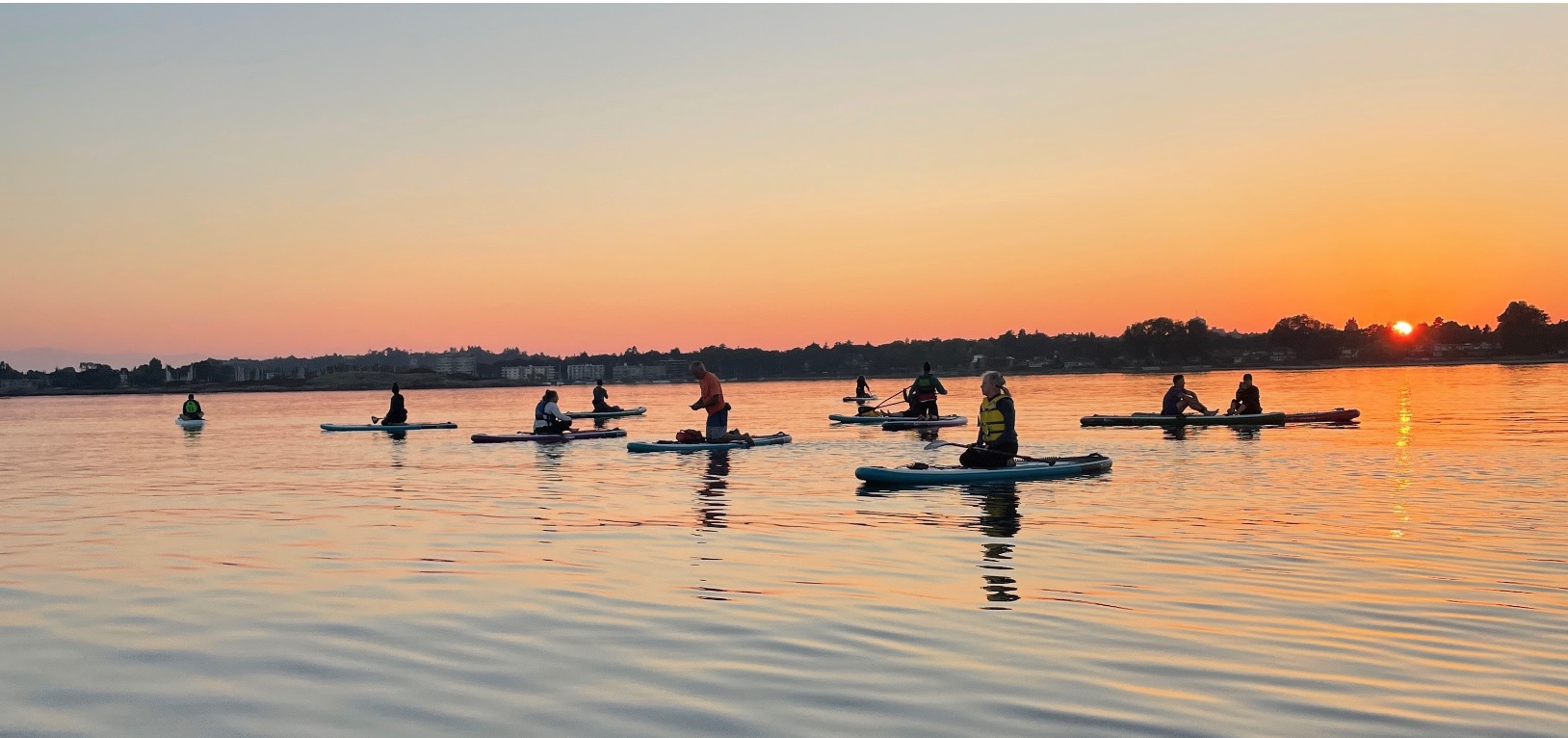
Watching for the full moon as the sun sets near Willow Beach. I hope my mind was watching.

Beyond Words

Listen, O drop, give yourself up without regret,

and in exchange gain the Ocean.

Listen, O drop, bestow upon yourself this honour,

and in the arms of the Sea be secure.

Who indeed should be so fortunate?

An Ocean wooing a drop!

In God’s name, in God’s name, sell and buy at once.

Give a drop and take this Sea full of pearls.

Rumi, translated by Kabir Helminski and Camille Helminski
 

Language does have its limits.

Eugene Peterson was talking about the poetic language of the Bible when he said,

A metaphor is a really remarkable kind of formation because it both means what it says and what it doesn’t say, and so those two things come together, and it creates an imagination which is active.  You’re not trying to figure things out, you’re trying to enter into what’s there.

For me, Eugene’s wisdom fits my experience here. Perhaps metaphors reframe what is right in front of us from a different perspective.

On Saturday, before Palm Sunday, I attended a contemplative wisdom retreat at the University of Victoria Multifaith Center. I’m not a note-taker so my remembering might or might not be exactly accurate, but it is true for me.  Heather Ruce, our teacher, used the imagery of the ocean and the water inside our bodies as she discussed our conflicting human and divine nature; our physical bodies and spiritual being that we separate or see as two different parts of us. How does this water naturally flow together?

I thought immediately of the ancient prayer I say many mornings, “I awaken in Christ’s body as Christ awakens my body…” as a way of expressing this reciprocity. We say that we are not alone; yet, we speak of our divine companion in another reality. Our language belies the truth. 

When I learned to paddle board, I was instructed to look toward the horizon when I stand up on the board.  If I look down, I was told I would probably fall. This isn’t intuitive. 

Even after I’m standing up, when I gaze ahead and take in the spaciousness, I see the world differently.  When I steal a quick glance down to see if my feet are where they should be or notice the dark deep cold water and remember I’m far out from the shore, fear and uncertainty separate me from the grandeur.   

Then on Monday of Holy Week, after Heather’s words activated my imagination, I read Rumi’s words,

Listen, O drop, give yourself up without regret, and in exchange gain the Ocean.

Listen, O drop, bestow upon yourself this honour, and in the arms of the Sea be secure.

Perhaps the Ocean was wooing me. On the cold and windy Monday, I copied Rumi’s poem on a scrap of paper and headed to Willow Beach.  I walked down the first residential street with “beach access” to begin my communion in the water on the quiet end. 

I sat down on a rock and took off my wool socks and hiking boots, rolled up my two layers of pants, and walked in at the water’s edge.  The sea was clear and shockingly cool.  When I walked looking out toward the horizon, I won’t say I didn’t notice the cold but the shock faded as I took in the expanse before me.  Every now and then, I met another brave soul whose feet numbed in the wetness.  Every now and then, a seal popped up to remind me of the abundant life here.

Repeating one line at a time, I walked into Rumi’s call to me, the drop, to listen to give myself without regret in exchange for the Ocean.  Listen and receive this honour to be secure in the arms of the Sea, this Sea, that I could know in my physical body, the blustery refreshment for the worries I brought along.   

This same water stretches across the earth. I, too, am part of that expanse. In her memoir, The Perfection of the Morning, Sharon Butala writes about these moments, “This is the place where words stop.”  How can I keep looking out to the majesty and vast unknown and embrace the promise that holds me, that surrounds me in the same moment as the danger I perceive?  Sell and buy at once, surrender my drop, and accept the abundance.

Listen, O drop, enter in the metaphors that are beyond words.